


 Claim Ownership
The Science Show - Separate stories podcast
Subscribed: 3,492Played: 61,542
Subscribe

© Copyright 2025, Australian Broadcasting Corporation. All right reserved.
Description
The Science Show gives Australians unique insights into the latest scientific research and debate, from the physics of cricket to prime ministerial biorhythms.
1090 Episodes
Reverse
It's impossible to escape microplastics. They're in our food and water, and the air around us is teeming with them. So considering they're all around us, how can we minimise our exposure to tiny plastic fragments without resorting to living in a cave? This episode was first broadcast in August 2025. You can binge more episodes of the Lab Notes podcast with science journalist and presenter Belinda Smith on the ABC Listen app (Australia). You'll find episodes on animal behaviour, human health, space exploration and so much more. Get in touch with us: labnotes@abc.net.auFeaturing:Cassandra Rauert, microplastics researcher at the University of Queensland More information:Microplastics are in our food, water and air. How can we minimise our exposure to them?Human exposure to PM10 microplastics in indoor airAverage household dishwasher releases 33 million nano and microplastic particles per year, research findsLaundry is a top source of microplastic pollution — but you can clean your clothes more sustainablyThis episode of Lab Notes was produced on the lands of the Wurundjeri and Menang Noongar people.
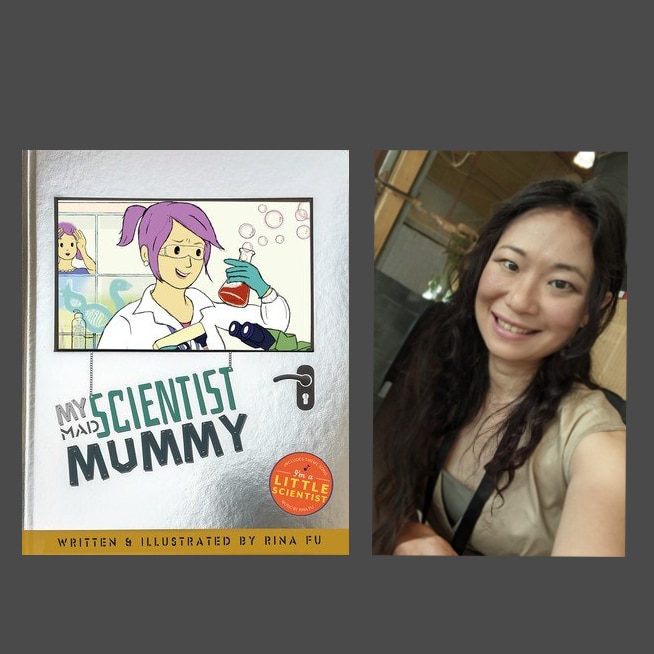
Rina Fu’s research and teaching is across three universities. She is a recent recipient of awards including the Western Australia’s Premier’s Award for Science Communication.
Australia's known for having some of the world's toughest sunscreen standards, but in June, that reputation was rocked.Independent testing of 20 sunscreens found 16 did not meet their advertised SPF50 rating, including three children's sunscreens and three sold by the Cancer Council.So how are sunscreens tested, and what can we learn from these recent SPF revelations?This episode was first broadcast in September 2025.You can binge more episodes of the Lab Notes podcast with science journalist and presenter Belinda Smith on the ABC Listen app (Australia). You'll find episodes on animal behaviour, human health, space exploration and so much more. Get in touch with us: labnotes@abc.net.auFeaturing:John Staton, scientific director at SciPharmMore information:What is SPF, and how is sunscreen's sun protection factor tested in the laboratory?Choice report finds popular Australian sunscreens fail to meet SPF claims on labelThis episode of Lab Notes was produced on the lands of the Wurundjeri and Menang Noongar people.
A huge cold blob of air above Antarctica and bushfires spreading along ridgelines don't appear to have anything in common, yet the strange behaviour of these natural phenomena — and many others — can be understood and explained by mathematics. You can binge more episodes of the Lab Notes podcast with science journalist and presenter Belinda Smith on the ABC Listen app (Australia). You'll find episodes on animal behaviour, human health, space exploration and so much more.Get in touch with us: labnotes@abc.net.auFeaturing:Chantelle Blachut, mathematician at UNSW Canberra
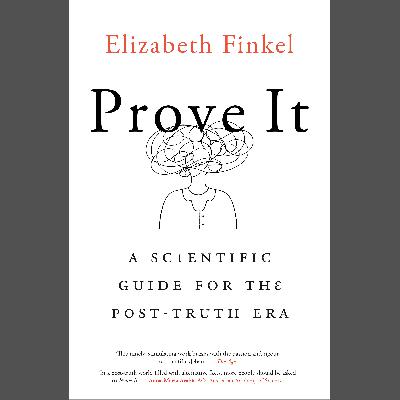
Elizabeth Finkel deploys scientific evidence to show that President Trump’s claim that Tylenol, used by pregnant women to relieve pain, is a cause of autism, is false.
Next week we celebrate the English author of fantasy novels Terry Pratchett who died in 2015. Physicist Len Fisher presents this tribute and says the scientific references and thinking in Pratchett’s novels are too often overlooked.
Chantelle Doyle moves pollen between locations hoping to establish new plant populations and increase genetic diversity giving struggling species a boost.
Robert Harcourt collects oceanographic information using microcomputers strapped to turtles and seals.
Jim Falk from Melbourne presented a message of hope at the COP30 climate meeting in Brazil
Step into the supermarket and there's plastic around just about everything, even mangoes — and not all that packaging will be properly disposed of.So with around 20 million tonnes of plastic polluting the environment each year, not to mention the potential health effects of microplastics, is there a better, more environmentally friendly alternative?You can binge more episodes of the Lab Notes podcast with science journalist and presenter Belinda Smith on the ABC Listen app (Australia). You'll find episodes on animal behaviour, human health, space exploration and so much more.Get in touch with us: labnotes@abc.net.auFeaturing:Edward Attenborough, chemical engineer and chemist at Monash UniversityMore information:Bacterial species-structure-property relationships of polyhydroxyalkanoate biopolymers produced on simple sugars for thin film applicationsThis episode of Lab Notes was produced on the lands of the Wurundjeri and Taungurung people.
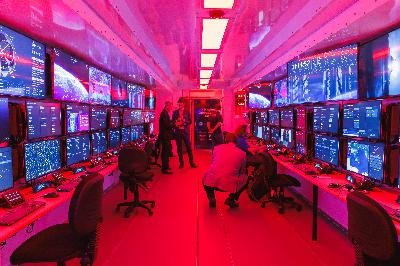
Space is integral to our modern world, supporting mapping, land care, agriculture, mining, fire prevention and so much more.
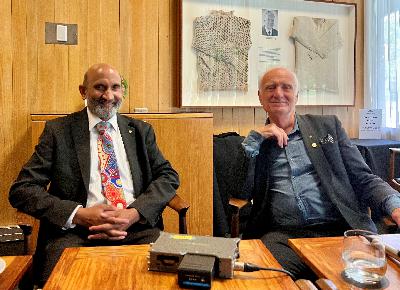
Professor Jagadish puzzles why support of Australian Science is so wanting and says business should see their R&D spend as an investment.
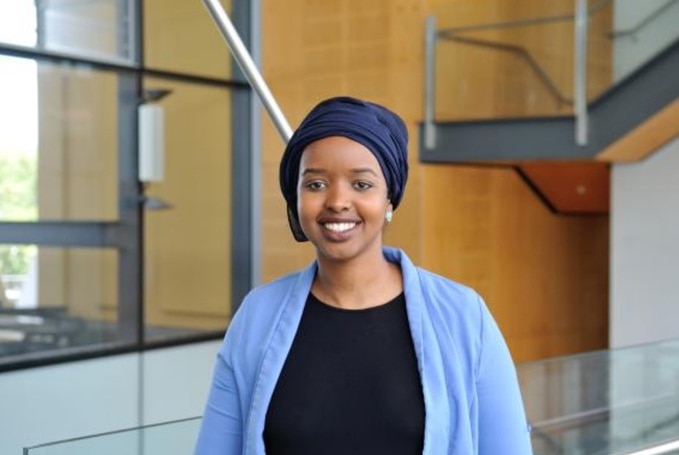
Amal Osman from Flinders University, an ABC Top 5 scientist in 2025 describes sleep apnea, and her work developing new treatments for this debilitating condition.
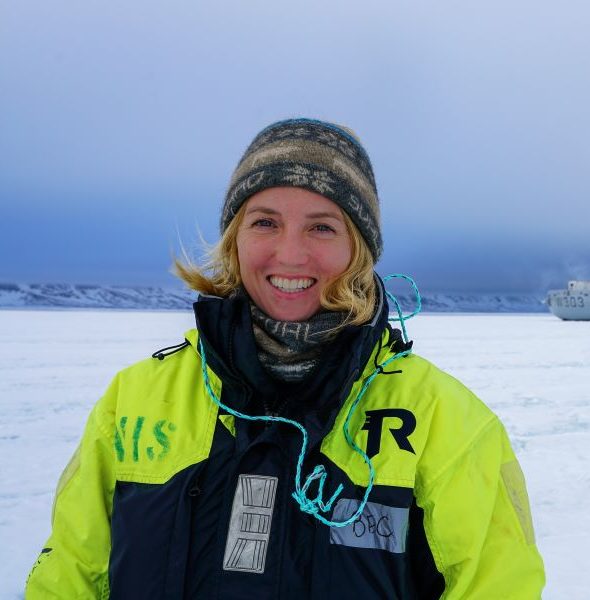
Robyn Williams meets Superstar of STEM marine biologist Rebecca Duncan.
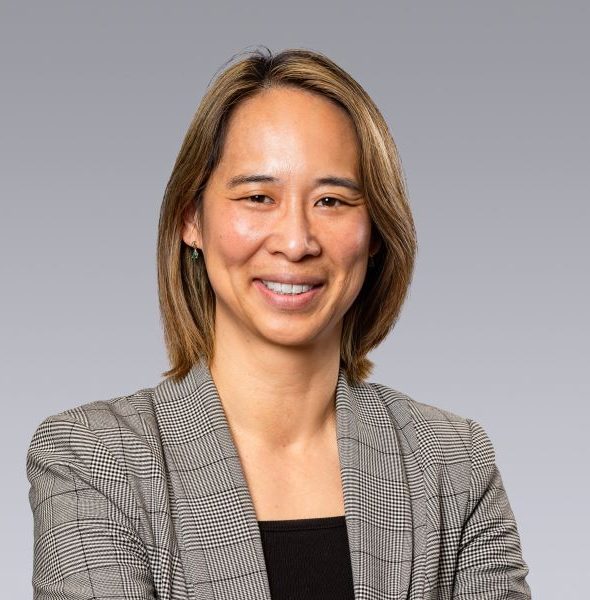
Robyn Williams meets Superstar of STEM Nicola Lo, an environmental engineer and project manager with Colliers Engineering & Design.
Astrophotographers have had another great month, with the aurora australis lighting up night skies as far north as southern Queensland.And while you might've heard that the best of this bunch of auroras is behind us, don't put your camera away just yet. There's good reason to think the southern lights will illuminate the sky well into 2026.It all depends on what the Sun shoots in our direction … and we might find ourselves in the firing line more often over the next few months.You can binge more episodes of the Lab Notes podcast with science journalist and presenter Belinda Smith on the ABC Listen app (Australia). You'll find episodes on animal behaviour, human health, space exploration and so much more.Get in touch with us: labnotes@abc.net.auFeaturing:Brett Carter, space weather researcher at RMIT UniversityMore information:The Sun Reversed Its Decades-long Weakening Trend in 2008When the southern lights are seen further northThis episode of Lab Notes was produced on the lands of the Wurundjeri and Taungurung people.
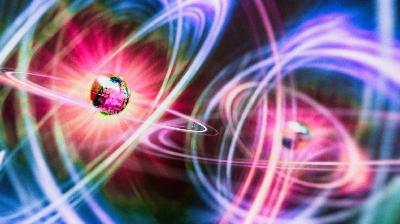
It exists for of 10-25 seconds. If you blink, you’ll miss it.
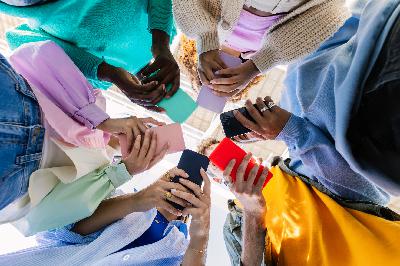
Howe Zhu describes his research area of human computer interaction, and says we should more aware of how technology is changing our behaviour.
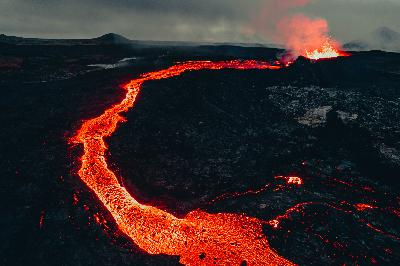
The movement and path of lava is a result of lava temperature, its viscosity and the surface over which it flows.
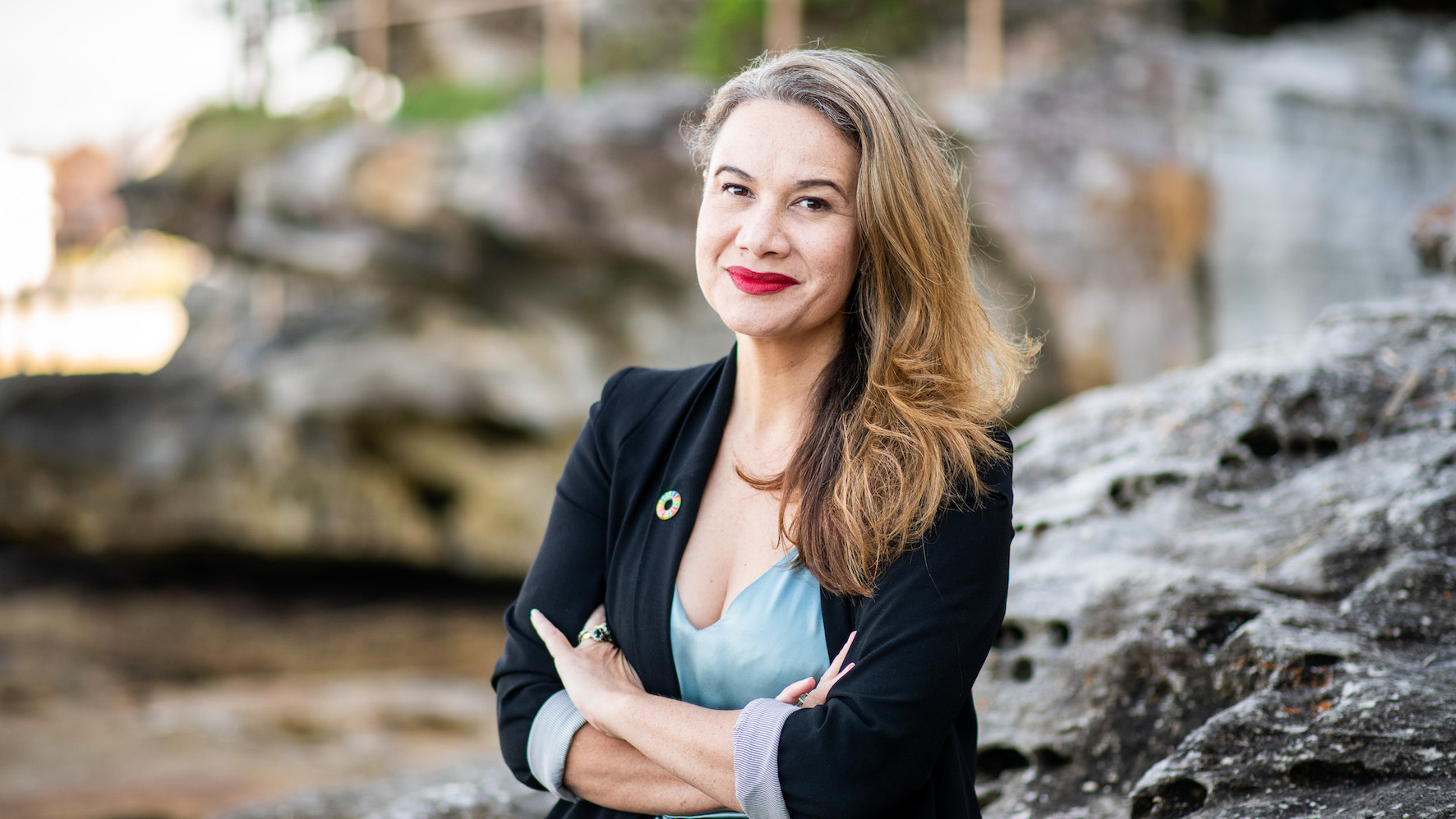
Jas Chambers is the new president of Science & Technology Australia. She comes with ideas to help boost science graduates.


Download from Google Play

Download from App Store
 United States
w essz